As Perverse as a Nightmare

As Perverse as a Nightmare

Reviews

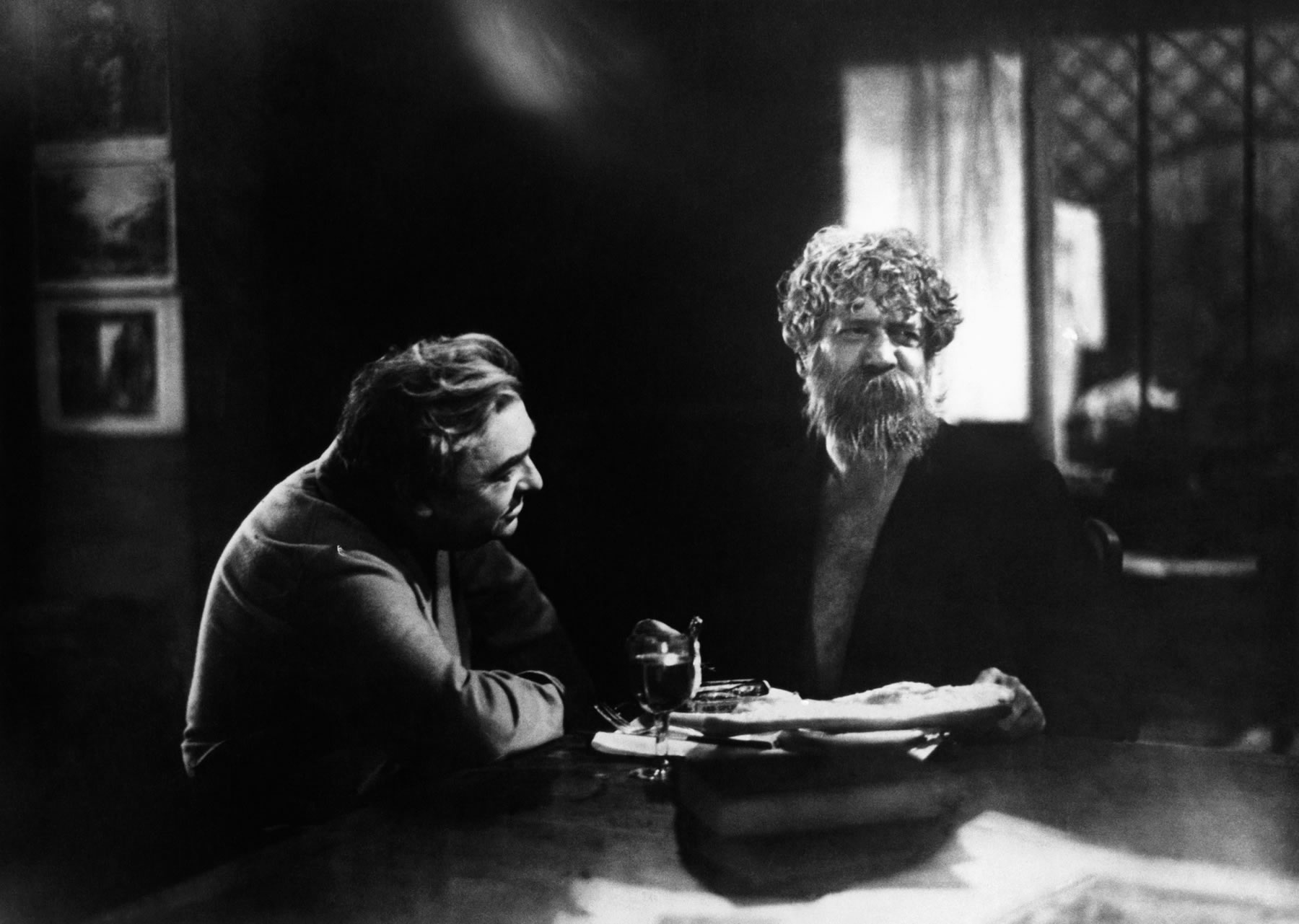
Touch of Evil (1958) became a great film because of a misunderstanding. Charlton Heston had agreed to appear in a police drama for Universal Pictures, but only because he thought Welles was signed to direct it. Welles, in fact, had agreed only to act in the film.

In a 1965 interview with the French magazine Cahiers du Cinéma, Welles explained:

Universal did not clear up his misunderstanding; they hung up and automatically telephoned me and asked me to direct it. . . I set only one condition: to write my own scenario! And I directed and wrote the film without getting a penny for it, since I was being paid as an actor.

Welles hated Universal’s scenario for the movie. He changed the locale from San Diego to the Mexican border. He also chose a supporting cast that Pauline Kael described as “assembled as perversely as in a nightmare.” It included Akim Tamiroff as a smalltime thug, Dennis Weaver as an outrageously inhibited motel clerk, Zsa Zsa Gabor as a strip club owner, and Marlene Dietrich as a madam. Heston plays an incorruptible Mexican narcotics agent, and Janet Leigh portrays his new bride. Welles turns in a towering performance as Hank Quinlan, a no-nonsense police captain whose hunches and leg twinges have helped put away hundreds of criminals.

Universal re-edited the film against Welles’ wishes before it was released in 1958. It received no previews and little fanfare. In 1998, Rick Schmidlin supervised a second re-edit of the film, following the suggestions from a 58-page memo Welles had prepared after learning he wouldn’t have the final cut. Schmidin restored much of the material that was originally cut out.

This newer version is the film that’s currently available on disc and shown occasionally on cable. It’s a big improvement over the theatrical release, both in the clarity of the storyline and the power of the imagery. Most famously, Welles had created a long, carefully timed tracking shot at the beginning of the film that ends with a dramatic surprise. Universal had cut the shot and placed the opening titles over what was left, greatly diminishing its effect. The latest edit restores this critical shot and places the credits at the conclusion of the story, as intended.

If any film can be referred to as baroque in its visual style, that film would be Touch of Evil. Even after more than 50 years, it continues to fascinate. Perhaps the most innovative film of the 1950s, it was decades ahead of its time. This is Welles’ third best film (after Citizen Kane and The Magnificent Ambersons) and the most daring of his Hollywood films.

Touch of Evil
(1958; directed by Orson Welles)
Universal Studios (Blu-ray and DVD)

Sunday, November 3 at 6:00 p.m. eastern on Turner Classic Movies
Watch the Skies

Watch the Skies

Reviews

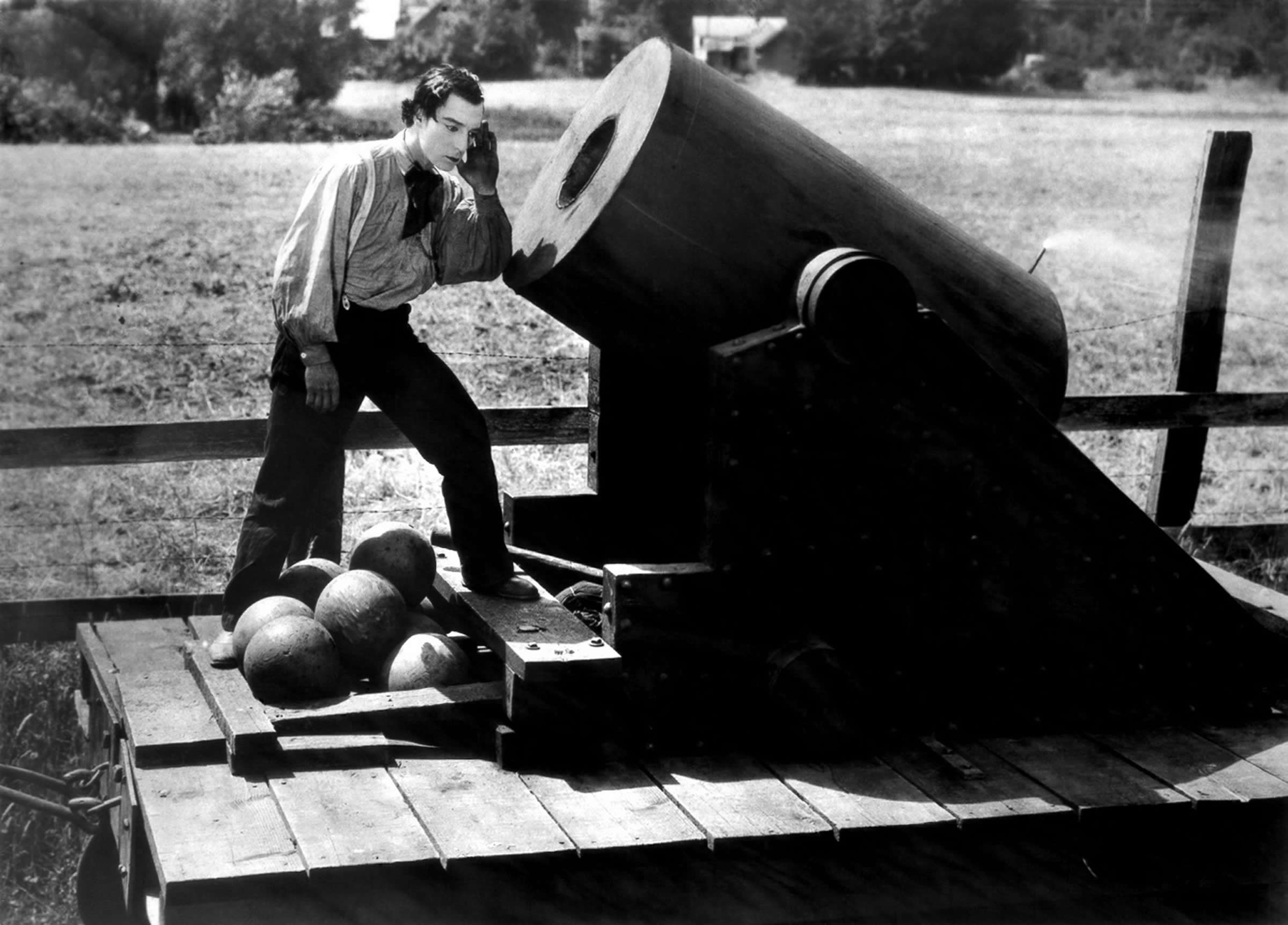
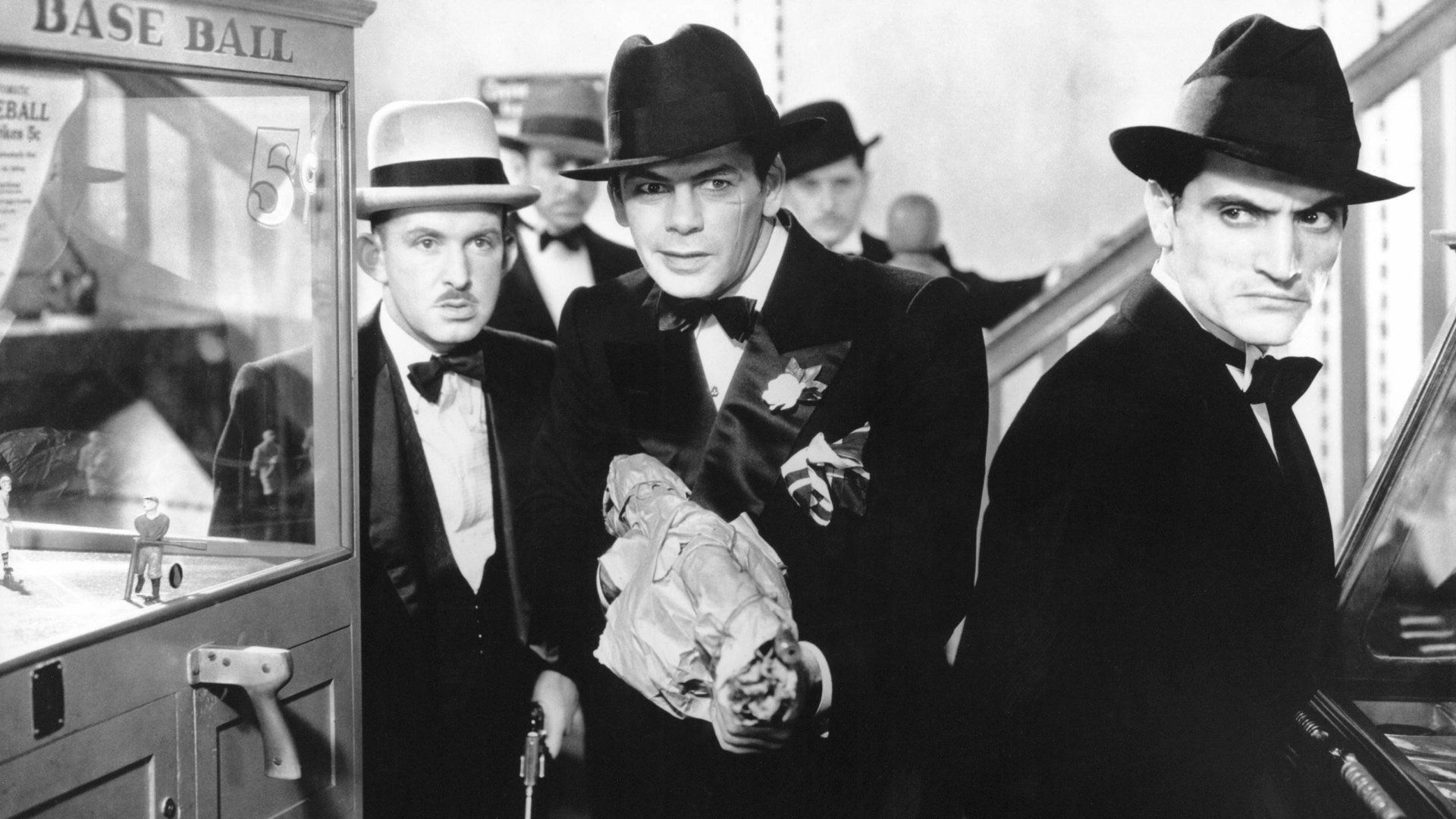
Just who was responsible for The Thing from Another World (1951)? If you look at the credits, you can see it was directed by Christian Nyby. But if you ask any Howard Hawks fan, you’ll probably be told it’s pure Hawks. The promotional materials of the time have Hawks’ name in big letters above the title and Nyby’s name below in small print. This ambiguity poses a problem for anyone compiling a Hawks filmography. Some writers include The Thing along with the films Hawks directed, while others — playing it safe — leave it out.

In a discussion with the audience at the 1970 Chicago Film Festival, Hawks was asked if he had directed parts of The Thing. This was his response:

Christian Nyby was my cutter, one of the finest cutters in the business, and I thought he deserved a chance to direct. After he directed a few days, he said, ‘Look, it’s an awful lot different cutting a film somebody gives you and making a film to cut. Will you come down and give me some help?’ I helped him some, but I didn’t come in and direct part of it. I just would say, ‘I think you’re attacking this scene wrong.’

Why are we so sure this is a Hawks film? After all, he didn’t direct or produce any other science fiction films. For Hawks, one-of-a-kind projects were not unusual. Gentleman Prefer Blondes was his only musical, and Scarface was his only gangster film. Hawks liked to work in a wide range of genres, yet his films are remarkably similar in theme and structure. In this case, the isolated group is a collection of military men and scientists stationed in the Arctic region. The external threat is an alien. And the Hawksian woman, who can hold her own with the men without losing her femininity, is a secretary to one of the scientists. There’s also the usual camaraderie, group banter, and overlapping dialogue that make a Hawks film so enjoyable.

While it may be a minor Hawks film, The Thing is one of the better science fiction films of the 1950s. Like The Day the Earth Stood Still (1951), Invasion of the Body Snatchers (1956), Forbidden Planet (1956), and The Incredible Shrinking Man (1957), it deals with larger issues than whether we can survive an alien invasion. Each of these films also explores what it means to be a human being.

The Thing from Another World
(1951; directed by Christian Nyby; produced by Howard Hawks)
Turner Home Entertainment (Blu-ray and DVD)

Friday, October 25 at 6:45 a.m. eastern on Turner Classic Movies

Who Cares Whodunit

Who Cares Whodunit

Reviews

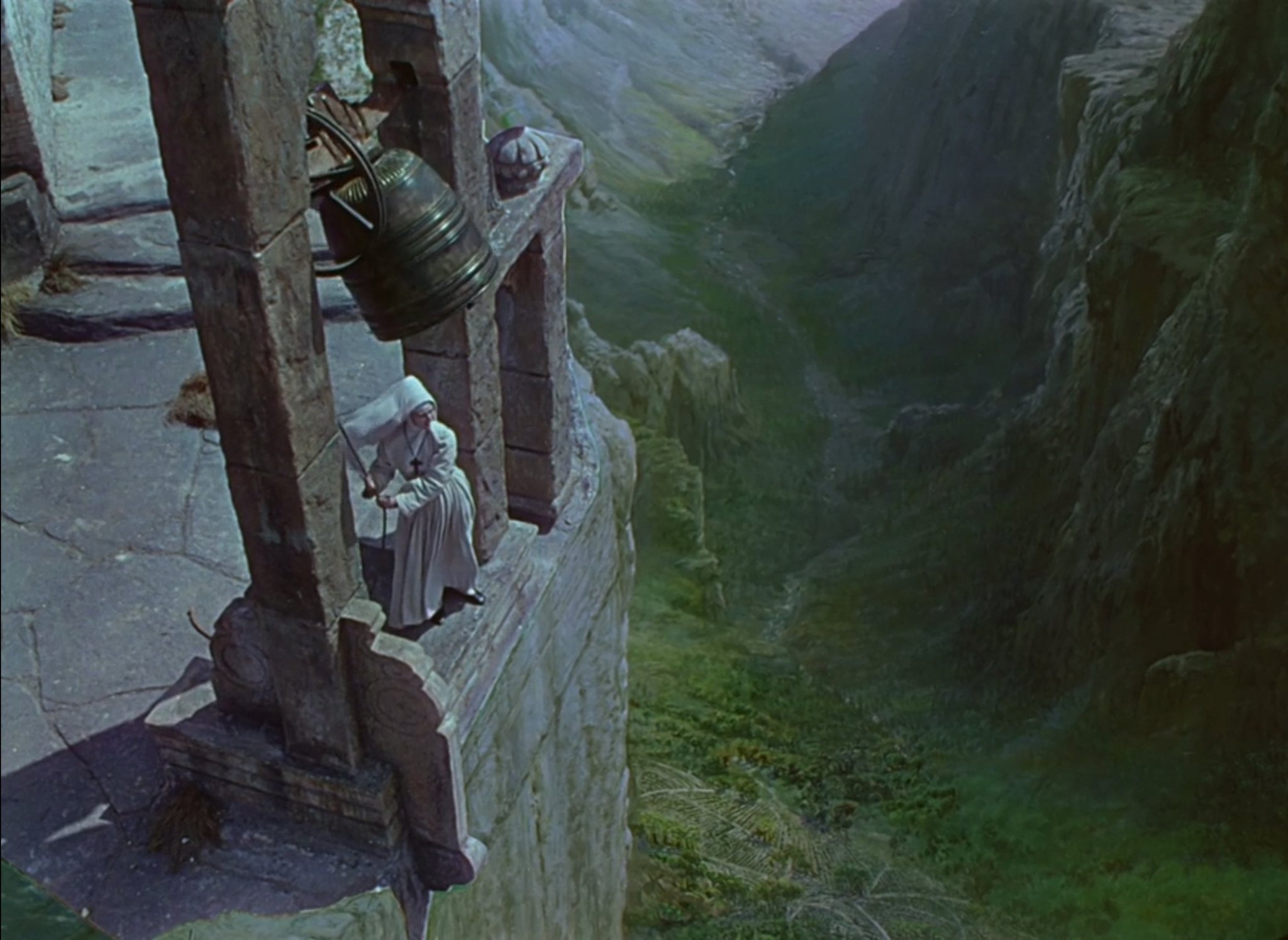
What if someone created a murder mystery so entertaining you didn’t care who did the murder? That’s the case with The Big Sleep (1946). Based on Raymond Chandler’s first novel, the story draws private detective Philip Marlowe (Humphrey Bogart) into an ever expanding circle of corruption and conspiracy. Eight deaths are woven throughout the book and film, making it unusually hard to keep up with the various murderers and victims. Director Howard Hawks phoned Chandler long distance during the film’s production because he couldn’t figure out who murdered the man who was dumped in the ocean along with his car. According to Hawks, Chandler was unable to provide an adequate solution.

William Faulkner worked on the script, along with Jules Furthman and Leigh Brackett. Faulkner had teamed with Hawks, Bogart, and Lauren Bacall the previous year on To Have and Have Not (1944). If you’re familiar with Faulkner’s novels, it’s an interesting game to try to spot the Faulkner dialogue throughout the two films.

Here are a few examples from The Big Sleep that Faulkner may have had a hand in crafting:

Vivian: Speaking of horses, I like to play them myself. But I like to see them workout a little first, see if they’re front runners or come from behind, find out what their whole card is, what makes them run.
Marlowe: Find out mine?
Vivian: I think so.
Marlowe: Go ahead.
Vivian: I’d say you don’t like to be rated. You like to get out in front, open up a little lead, take a little breather in the backstretch, and then come home free.
Marlowe: You don’t like to be rated yourself.
Vivian: I haven’t met anyone yet that can do it. Any suggestions?
Marlowe: Well, I can’t tell till I’ve seen you over a distance of ground. You’ve got a touch of class, but I don’t know how, how far you can go.
Vivian: A lot depends on who’s in the saddle.

Mars: Convenient, the door being open when you didn’t have a key, eh?
Marlowe: Yeah, wasn’t it. By the way, how’d you happen to have one?
Mars: Is that any of your business?
Marlowe: I could make it my business.
Mars: I could make your business mine.
Marlowe: Oh, you wouldn’t like it. The pay’s too small.

Marlowe: Hmm.
Sternwood: What does that mean?
Marlowe: It means, hmm.

Based on the running time of 114 minutes, it looks like TCM will be showing the 1946 theatrical release of The Big Sleep. The Blu-ray and DVD include the theatrical release, as well as the less-familiar 116-minute prerelease version from 1945. The earlier version has an easier-to-follow, more linear plot. The release version moves along faster, sustains the film noir mood better, and is an overall superior film.

The Big Sleep
(1946; directed by Howard Hawks)
Warner Archive Collection (Blu-ray)
Warner Home Video (DVD)

Sunday, October 20 at 2:00 p.m. eastern on Turner Classic Movies
Lost Cause

Lost Cause

Reviews

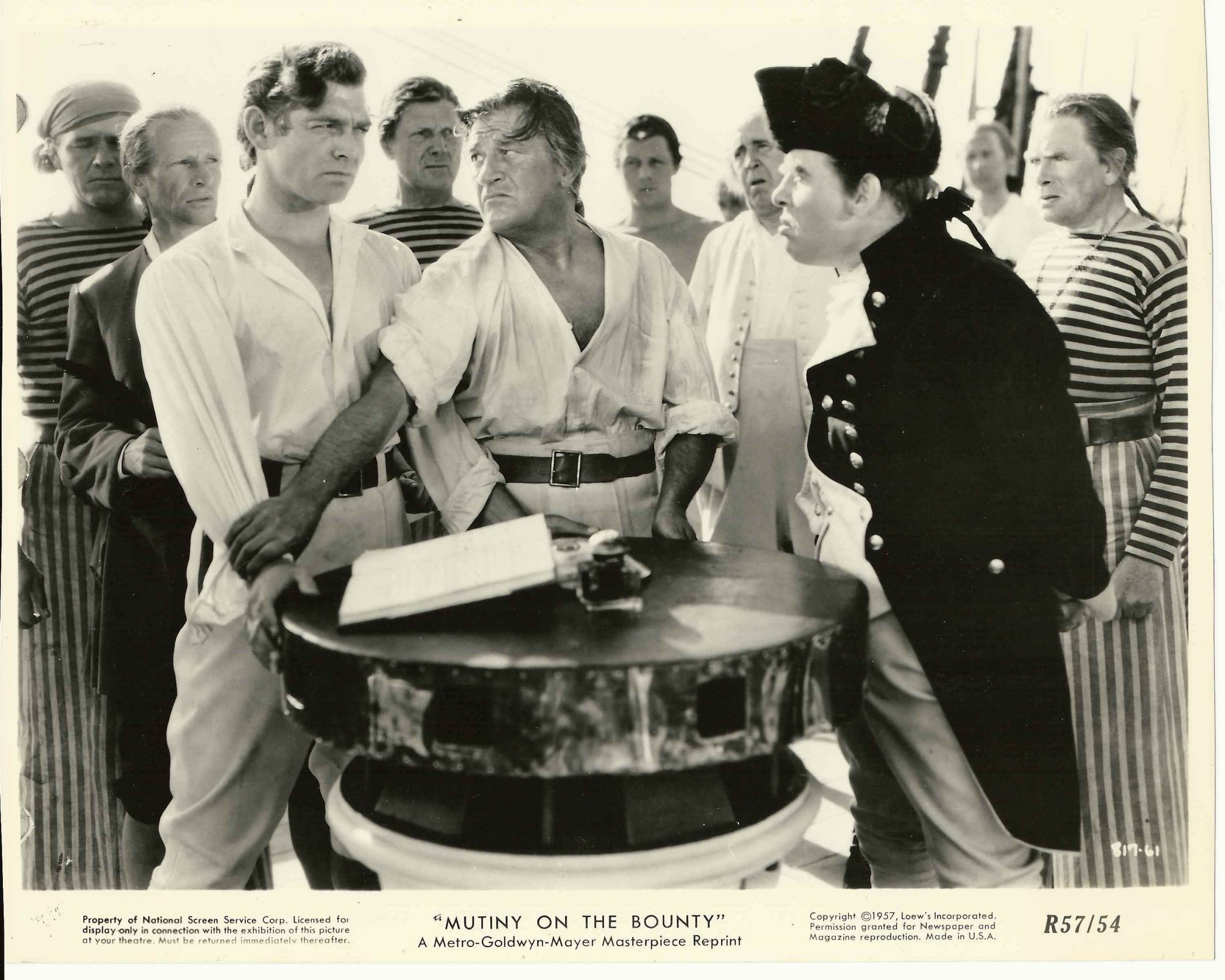
The Birth of a Nation (1915) is a difficult film to wrap your mind around. Clearly racist in its intent, it’s also a perceptive and ground-breaking film. You may not be accustomed to dealing with propaganda and art in the same package, though there are other examples, mostly notably Leni Riefenstahl’s Triumph of the Will (it praises the rise of Hitler’s Nazi party) and the operas of Richard Wagner (he was anti-Semitic and, by all accounts, a generally odious man). Can we somehow detach the good from the bad? Or should we discard the whole as unredeemably tainted?

In D.W. Griffith’s case, I think we can — and should — separate the racism from the art. I prefer to think his views on race were more naive than diabolical. Because his other work is central to the development of film as an art form, it would seem strange to ignore this film as though it never existed. One of my fondest memories of NYU was watching a single year of Griffith’s films each semester. Jay Leyda, my doctoral advisor, taught the courses. We watched Griffith try out new techniques, set them aside for a time, and then reapply the techniques as he refined his new cinematic tools.

In a 1949 article in The Sewanee Review, Leyda addressed the contradictory nature of The Birth of a Nation:

This film is a constant anxiety to honest critics: “How can I admit artistic or even technical greatness in a film that has written such a history of injury and misuse?” Evasion of this contradiction usually transfers the laurels and emphasis to the “less harmful” Intolerance. Another evasion of this critical hazard is to reject totally the injurious film. This does justice neither to an important film nor to truth, in whose name the rejection is usually made. This film-goer has learned to look at The Birth of a Nation as at two distinct films — and it is the second of these that contains not only the racist melodrama and raw historical distortion of Thomas Dixon’s pennydreadfuls, but also the most dazzling and least useful of Griffith’s innovations . . . One could suspect that, unconsciously, the dynamics of this part of the film were intended to drive from the spectator’s mind those thoughts and questions roused by the film’s first half. For me this first part is self-contained, ending on one of the greatest and most tragically final images of all film-time — the open arms that welcome the returning colonel, stumbling across the pillared porch to his unseen but not unaltered family. This is a film that repays the most minute and repeated examination.

Perhaps the best strategy for understanding this dual-sided film is to watch it simultaneously with two minds. One mind should be skeptical of the historical facts in the movie, especially as they relate to race relations. The other mind should remain receptive to the narrative and technical skills of one of our finest directors. Can sensitive cinematic storytelling coexist with hateful propaganda? Obviously, they can coexist, though there’s still a question as to how much weight to give to the morally despicable elements when evaluating the work as a whole.

The Birth of a Nation
(1915; directed by D.W. Griffith)
Kino International (Blu-ray and DVD)

Friday, October 18 at 8:00 p.m. eastern on Turner Classic Movies
An Eye for Detail

An Eye for Detail

Reviews

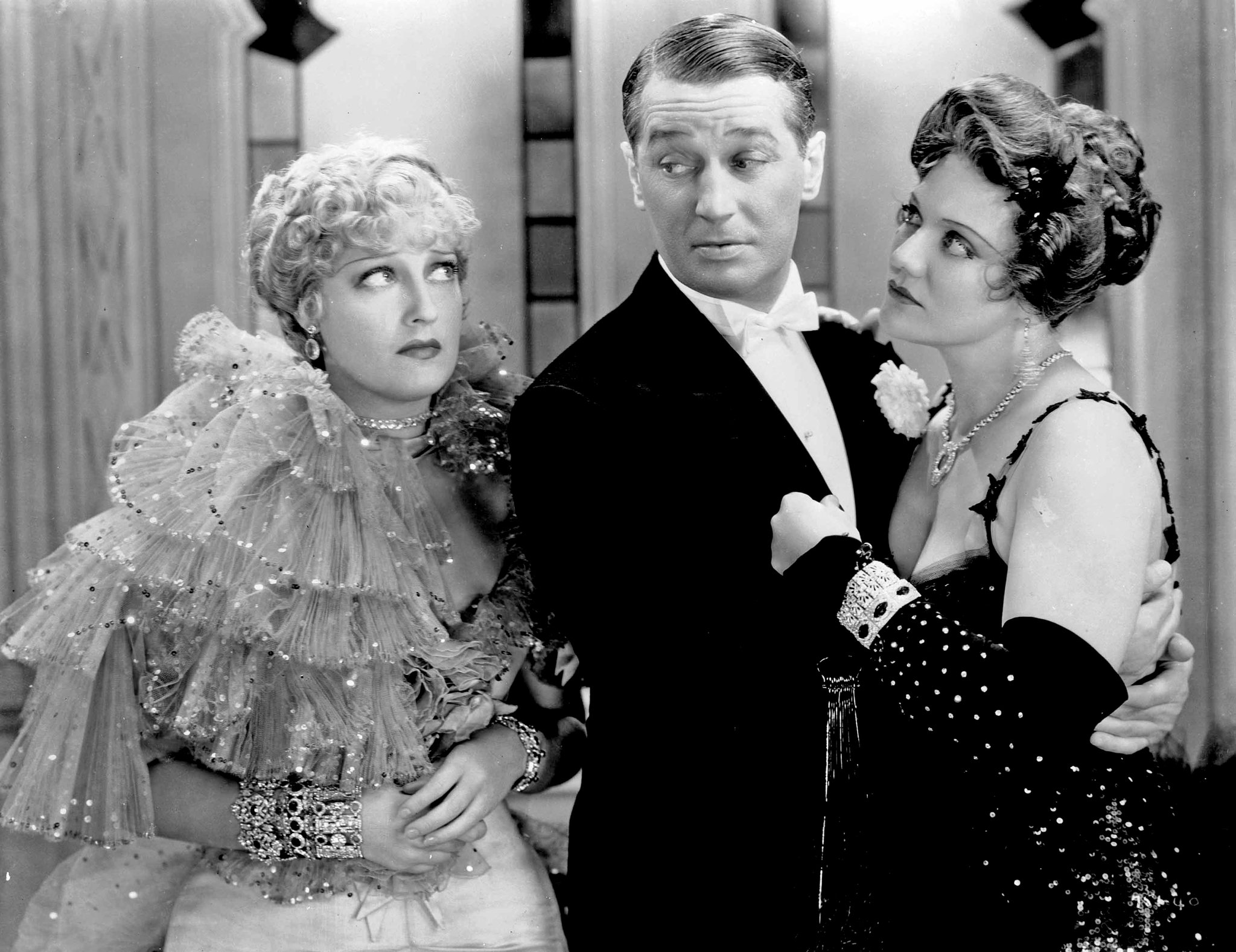
Ask any film archivist what would be a great find, and you’ll probably hear the words, “the complete Greed.” Greed (1924) was voted one of the twelve best films of all time by an international jury at the 1958 Brussels Exposition. Yet the release version, which runs about two hours, is only a quarter the length of the original rough cut and about half the length of the edited version that director Erich von Stroheim was willing to accept. It prompts the question: If the two-hour butchered version is so good, how much better might the original four-hour or eight-hour versions be? Unfortunately, those versions no longer exist. Whether they were in fact better or not, we may never know.

The first three films Stroheim directed were big financial successes: Blind Husbands (1919), The Devil’s Passkey (1920), and Foolish Wives (1922). His realistic style, obsessive attention to detail, and unflinching character portrayals inspired Jean Renoir to become a film director. Renoir’s realistic style — in turn — inspired the Italian Neo-Realist movement of the late 1940s and early 1950s. By 1922, Stroheim had attained the kind of clout in Hollywood held only by Chaplin and Griffith. When the Goldwyn Company agreed to back his next project, a film based on Frank Norris’ naturalistic novel McTeague, the studio had no idea Stroheim would adapt the entire book and make no effort to sugarcoat the story’s grittiness and stark pessimism.

In his book Saint Cinema, Herman G. Weinberg wrote of Stroheim and Greed:

His fanatical quest for more realistic portrayals sometimes led him to extremes, and Jean Hersholt tells the story of the filming at Death Valley, where Stroheim actually drove his actors frantic until they were in such a state of wrath that they had no difficulty in playing the scenes of the fight at the end of the picture. Stroheim is said to have told them to look at each other with hatred, as if they were looking at him.

Based on the production stills and continuity script, we can piece together what the complete film might have looked like. Weinberg published a book in 1972 titled The Complete “Greed,” where he reconstructed the original cut using 400 stills. In 1999, Rick Schmidlin took the effort even further by combining the existing footage with 650 stills. Through optical pans, zooms, and iris effects, Schmidlin was able to bring a cinematic touch to the stills and successfully fill in many of the gaps in the narrative. This version runs 242 minutes.

Neither the theatrical release or Schmidlin’s reconstruction are currently available on DVD. Turner Classic Movies shows both versions from time to time. All things being equal, it would probably be best to see the theatrical version first, but because they turn up only occasionally, you may want to dive right into the reconstructed version. Either way, you’ll be amazed at the emotional power and visual subtlety that could be achieved with silent film.

Based on the 239 minute running time, it appears that TCM will be running Rick Schmidlin’s reconstructed version of Greed.

Greed
(1924; directed by Erich von Stroheim)

Sunday, September 29 at 8:00 p.m. eastern on Turner Classic Movies
Ways of Escape

Ways of Escape

Reviews

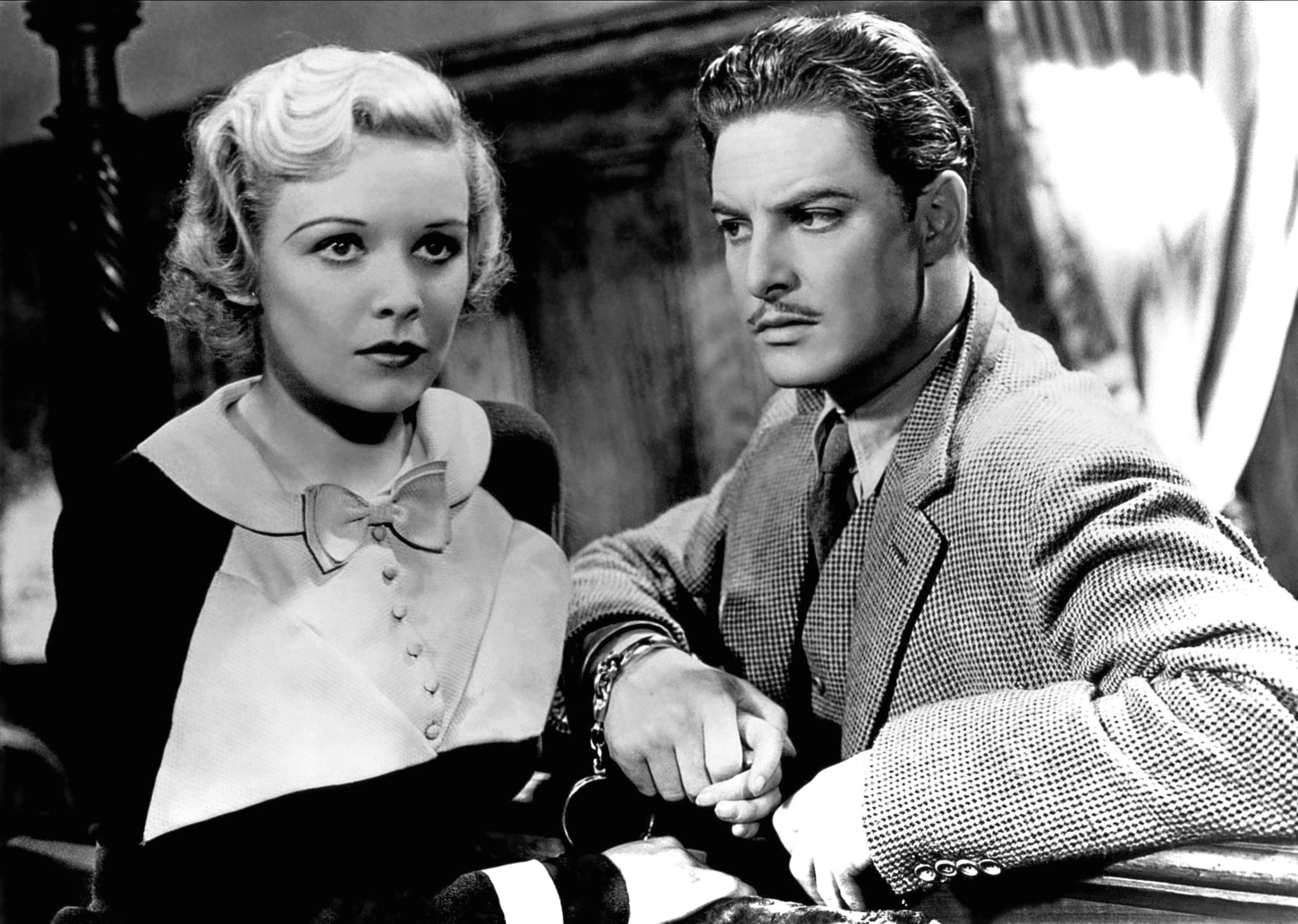
We talk about the great directors, yet it’s always a group effort. It takes a strong director to steer the many divergent elements in the same direction. When the process works, all the elements fit together so the result is equal to more than the sum of the parts. The Third Man (1949) is a film where everything meshes — the script, acting, camera placement, lighting, music. It’s probably the best British film made after World War II, as well as the best film noir made in Europe.

Because each of the elements is so exceptional, director Carol Reed is rarely given the credit that’s due. He pushed to have the zither music in the movie. He also argued for the final shot being held much longer than writer Graham Greene or producer David O. Selznick thought appropriate. Selznick wanted to use studio interiors for the production, but Reed preferred the actual war-torn streets of Vienna as a backdrop. The camera and lighting compositions with their odd angles and surreal effects contribute significantly to the atmosphere of the story. The overall look combines the moody darkness of a film noir with the starkness of a you-are-there documentary.

Graham Greene’s script was developed specifically for this project. He also wrote it as a short story, but only to work out the ideas. In his book Ways of Escape, Greene explained, “The reader will notice many differences between the story and the film, and he should not imagine these changes were forced on an unwilling author: as likely as not they were suggested by the author. The film in fact is better than the story because it is in this case the finished state of the story.”

As good as Greene’s script is, the most famous lines from the film were written by Orson Welles. Onscreen for a comparatively short time, Welles’ performance as Harry Lime stands out as one of his best roles. Here are two nuggets from Welles’ self-penned dialogue, where Lime explains to Rollo Martins (played by Joseph Cotten) that it’s a dog-eat-dog world:

Martins: Have you ever seen any of your victims?
Lime: You know, I never feel comfortable on these sort of things. Victims? Don’t be melodramatic. Tell me. Would you really feel any pity if one of those dots stopped moving forever? If I offered you twenty thousand pounds for every dot that stopped, would you really, old man, tell me to keep my money, or would you calculate how many dots you could afford to spare? Free of income tax, old man. Free of income tax — the only way you can save money nowadays.

Lime: Don’t be so gloomy. After all it’s not that awful. Like the fella says, in Italy for 30 years under the Borgias they had warfare, terror, murder, and bloodshed, but they produced Michelangelo, Leonardo da Vinci, and the Renaissance. In Switzerland they had brotherly love — they had 500 years of democracy and peace, and what did that produce? The cuckoo clock.

Avoid the poor quality prints that were struck when the film temporarily lapsed into the public domain. The discs from Criterion and Lions Gate are the best way to see it — other than in a movie theater, of course. I haven’t seen the print that TCM shows occasionally, though that network is usually conscientious in trying to obtain the best available print.

The Third Man
(1949; directed by Carol Reed)
The Criterion Collection (Blu-ray and DVD, out of print)
Lions Gate — StudioCanal Collection (Blu-ray)

Friday, June 28 at 2:00 p.m. eastern on Turner Classic Movies
The Same Only Different

The Same Only Different

Reviews

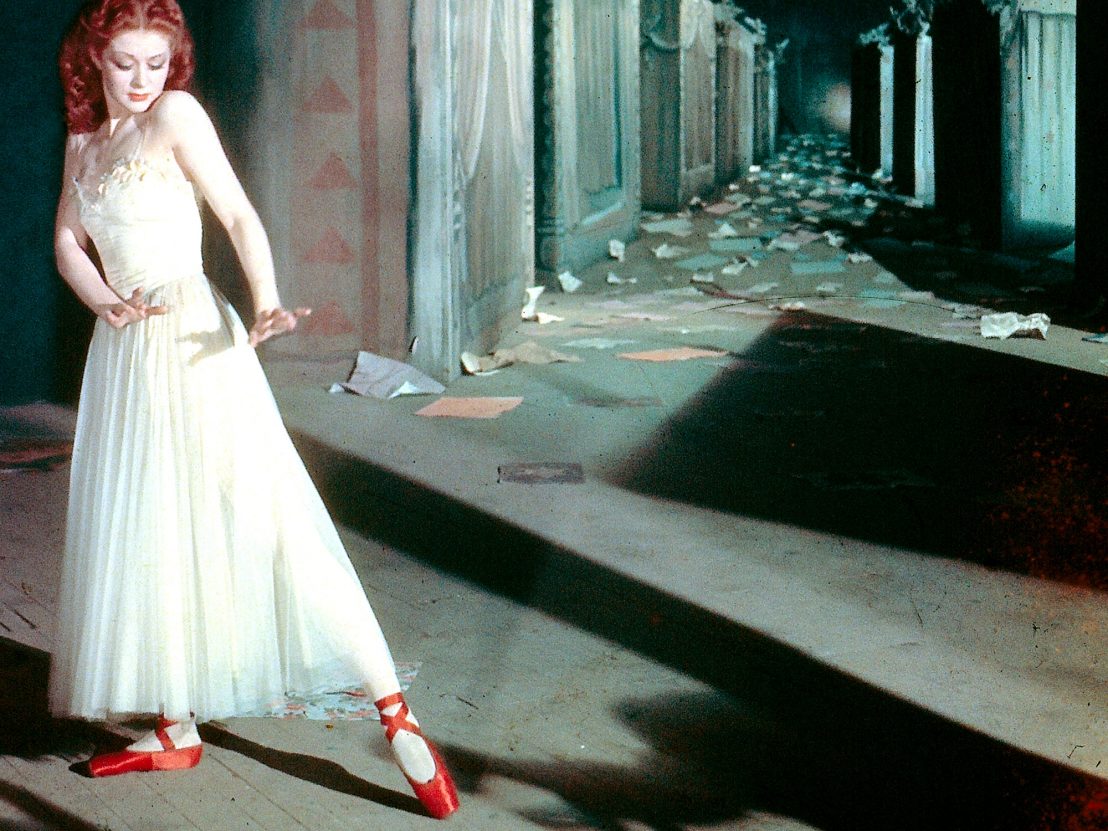
The Awful Truth (1937) is one of the least appreciated of the top screwball comedies, in part because director Leo McCarey isn’t as well known as directors Frank Capra, George Cukor, Ernst Lubitsch, Preston Sturges, or even Howard Hawks. His best comedies include Let’s Go Native (1930), Duck Soup (1933), Six of a Kind (1934), Ruggles of Red Gap (1935), and The Awful Truth. These comedies share a relaxed feel, seamless construction, and almost unequaled comic timing. McCarey was quite willing to improvise on the set, yet his films stay focused, which isn’t always the case with directors who improvise. Of course, it helps if you’re working with top talent. McCarey directed some of the best work of The Marx Brothers, Laurel and Hardy, Harold Lloyd, Mae West, and Eddie Cantor.

McCarey shifted away from comedy in the 1940s. During the war years and into the 1950s, he specialized in competently made, often sentimental dramas, such as Love Affair (1939), Going My Way (1944), The Bells of St. Mary’s (1945), and An Affair to Remember (1957). Throughout his career, McCarey brought a human touch to his films that was both sincere and discerning. According to Andrew Sarris’ book The American Cinema, “Jean Renoir once remarked that Leo McCarey understood people better than any other Hollywood director.”

The Awful Truth is based on Arthur Richman’s 1921 Broadway play of the same name, which was also the basis for a 1925 silent film and a 1929 sound film. The same story was remade as a musical in 1953 with the oddly appropriate title, Let’s Do It Again.

Because McCarey could make the characters so believable and likeable, almost from the start, he and screenwriter Viña Delmar were able to infuse the dialogue with an intelligence and grace you rarely see this side of Lubitsch. Here’s an example of the lines given to the main actors, Cary Grant (Jerry Warriner) and Irene Dunne (Lucy Warriner):

Lucy: You’re all confused, aren’t you?
Jerry: Aren’t you?
Lucy: No.
Jerry: Well you should be, because you’re wrong about things being different because they’re not the same. Things are different except in a different way. You’re still the same, only I’ve been a fool… but I’m not now.
Lucy: Oh.
Jerry: So long as I’m different, don’t you think that… well, maybe things could be the same again… only a little different, huh?

If you like comedies such as Bringing Up Baby (1938), The Philadelphia Story (1940), His Girl Friday (1940), and The Lady Eve (1941), you’re almost sure to like this one. It’s a rare treat.

The Awful Truth
(1937; directed by Leo McCarey)
The Criterion Collection (Blu-ray and DVD)

Sunday, April 21 at 4:15 p.m. eastern on Turner Classic Movies
Fordland

Fordland

Reviews

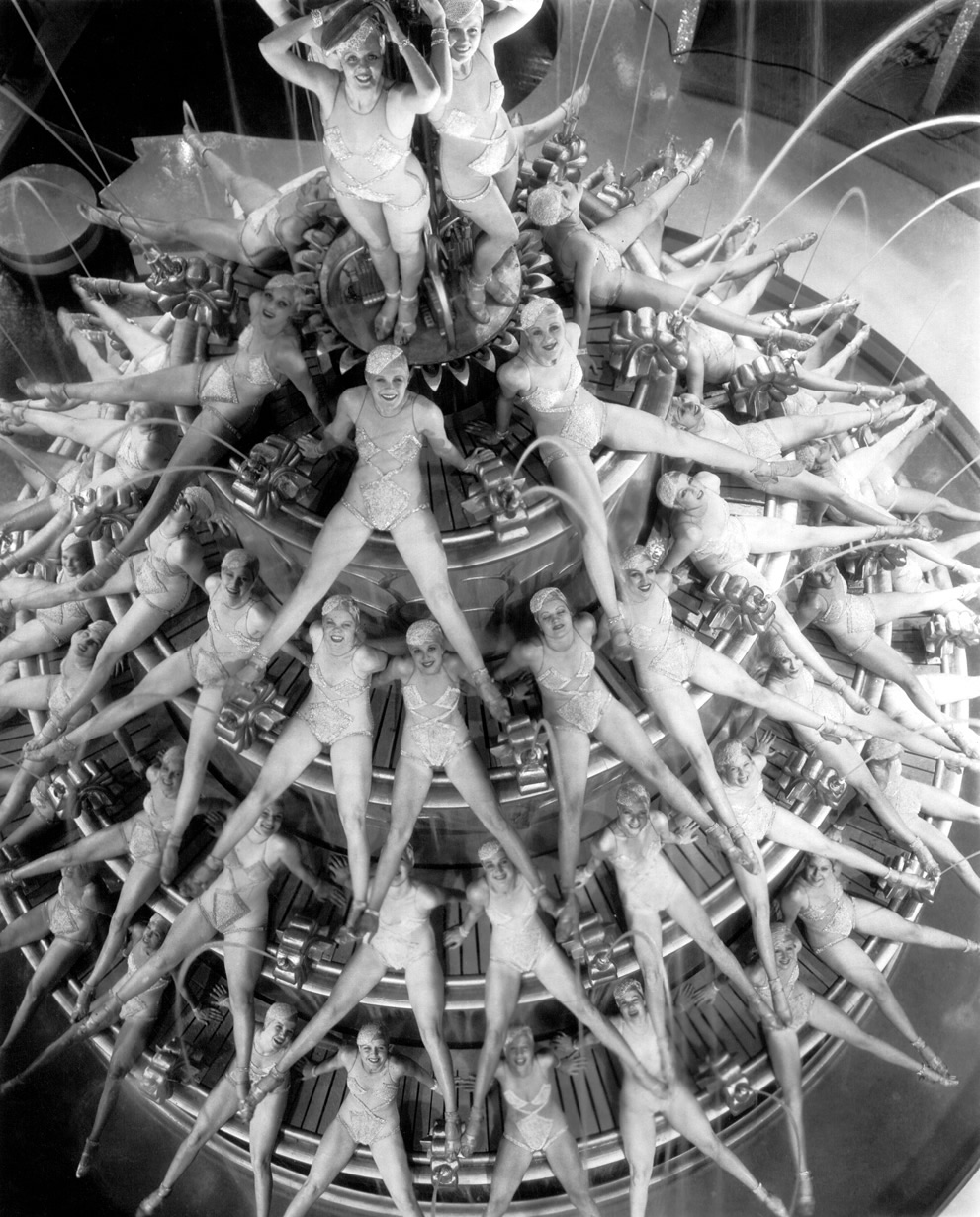
When you see a list of the great westerns directed by John Ford, Wagon Master (1950) is rarely included among them. At first glance, it’s easy to see why. There are no big stars, such John Wayne or Henry Fonda, to prop up the movie. It’s less action oriented than other Ford westerns, such as My Darling Clementine (1946), Fort Apache (1948), or She Wore a Yellow Ribbon (1949). And on the surface, it appears to be less ambitious than your typical Ford film. Yet when Peter Bogdanovich interviewed Ford in 1964 (the interviews are included in Bogdanovich’s book John Ford), the director explained that, “Along with The Fugitive and The Sun Shines Bright, I think Wagon Master came closest to being what I wanted to achieve.”

Ford wrote the original story for the film, which has an ease and flow that are unusual, even for Ford. Produced at the height of his creative talents, the casual style masks a message that was almost daring for its time. Fellow director Lindsay Anderson described Wagon Master as an “avant-garde Western” and one of Ford’s “most lyrical films.” And in Searching for John Ford, the definitive biography of the director, author Joseph McBride wrote:

Ford finds in Wagon Master the purity of a vanished era when faith in the American future was the stuff of everyday life, a time when, at least in his fervently romantic imagination, it was still possible for Americans to transcend the divisive forces of social prejudice. Wagon Master did not come with the usual trappings of a protest film, but that’s what it was, Ford’s indirect protest of the darkness, suspicion, and hatred that had enveloped America by the middle of the twentieth century. Rather than situating his morality play in the unfamiliar terrain of a present-day community of outcasts, as he clumsily attempted to do in Pinky, Ford wisely sets it in the time and place that feels most comfortable to him, what Charles FitzSimons called ‘Fordland.’

The movie tells the story of a group of Mormons who are seeking a new life in the West. While Ford portrays them sympathetically, he also shows how they’re forced to compromise their principles in order to defend themselves against violence. Ben Johnson and Harry Carey, Jr. play two honest and hard-working cowboys who help lead the Mormons across a dangerous section of the country. Ward Bond, playing against type, takes on the role of Elder Wiggs, a Mormon elder who grows more tolerant as the journey progresses. Bond’s role in the 1950s television show Wagon Train was based on his portrayal in this movie.

A great film is the sum of its parts, and Wagon Master is strengthened by the steady accumulation of its character-defining gestures and situations. The genuine affection shown as Elder Wiggs apologizes to his horse, the viciousness revealed as Uncle Shiloh Clegg whips his sons into submission, and the unrestrained excitement displayed as the Mormon “sisters” blow their rams’ horns — it is moments like these that make John Ford a master storyteller.

Wagon Master
(1950; directed by John Ford)
Warner Archive Collection (Blu-ray)
Warner Home Video (DVD)

Wednesday, March 13 at 12:15 p.m. eastern on Turner Classic Movies
Rapid-Fire Comedy

Rapid-Fire Comedy

Reviews

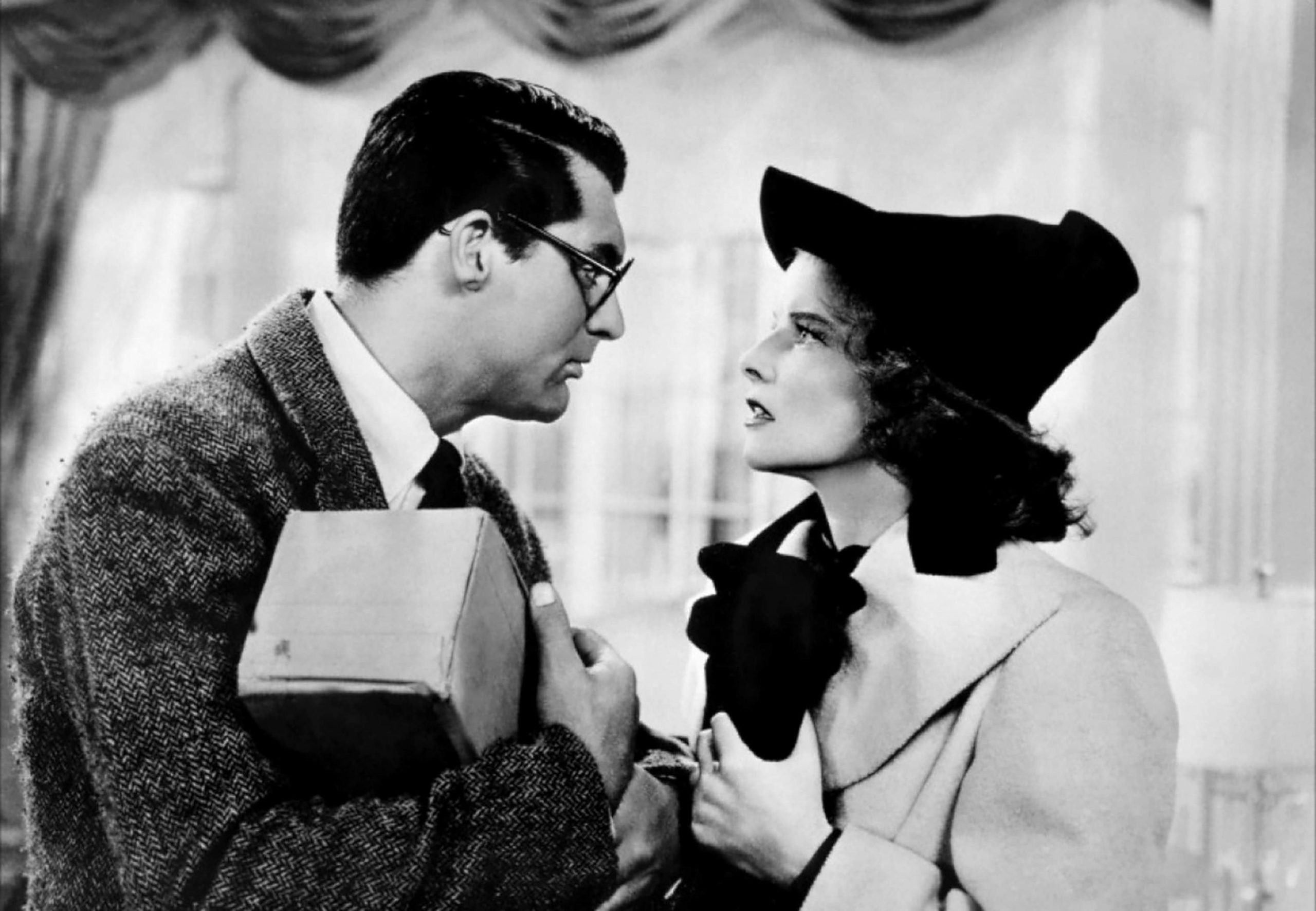
Want to see the true genius of Howard Hawks? You only have to look as far as His Girl Friday (1940). As good as Ben Hecht’s play The Front Page was, it took Hawks (with Hecht’s assistance) to take it to the next level. Hawks talked about the origin of the film in an interview with Peter Bogdanovich:

I was going to prove to somebody one night that The Front Page had the finest modern dialogue that had been written, and I asked a girl to read Hildy’s part and I read the editor and I stopped and I said, ‘Hell, it’s better between a girl and a man than between two men,’ and I called Ben Hecht and I said, ‘What would you think of changing it so that Hildy is a girl?’ And he said, I think it’s a great idea,’ and he came out and we did it.

Much has been written about the Hawksian woman, who can hold her own against a group of rowdy and insular males, but is no less feminine for being able to do so. For Hawks to convert a best-friend role to a best-gal role was almost second nature. Hawks did more than just change the gender of one of the characters. He kept most of the drama involving Earl Williams, the convicted murdered, but he also built up what would become the main concerns of the film — will Hildy walk out on Walter Burns, quit the Morning Post, and marry her fiancée? If the film has a flaw, it’s the wide swings between its dramatic and comedic threads. Fortunately, Hawks and Hecht interweave the two at such a frantic pace, we barely have time to consider the incongruities.

In a 1956 interview with Jacques Becker, Jacques Rivette, and Françoise Truffaut, Hawks spoke about the benefits of a fast pace:

I generally work with a faster than usual tempo than that of most of my colleagues. It seems more natural to me, less forced. I personally speak slowly, but people generally talk, talk, talk without even waiting for other people to finish. Also, if a scene is a bit weak, the more rapidly you shoot it, the better it will be on the screen. Moreover, if the tempo is fast you can emphasize a point by slowing the rhythm.

This film is often praised for its overlapping dialogue. Delivered in rapid-fire fashion — yet never seeming unnatural or forced — the script is a textbook example of how to engage the viewer with wit and style. The one-liners, causal asides, and occasional in-jokes make the first twenty minutes about as good as it gets. Cary Grant, Rosalind Russell, Ralph Bellamy, and a fine supporting cast round out the talent for one of the finest comedies ever.

His Girl Friday
(1952; directed by Howard Hawks)
The Criterion Collection (Blu-ray and DVD)

Tuesday, March 12 at 8:00 p.m. eastern on Turner Classic Movies
Sparkle and Shine

Sparkle and Shine

Reviews

Eight decades after its release, how do we sort out the merits of a movie like Camille (1936)? Strictly in terms of Garbo’s performance, it may be her finest sound film. Yet with all her films (with the exception of Lubitsch’s atypical Ninotchka), there was always something that kept the whole from being better than the sum of the parts. In this case, the flaw is Robert Taylor. Granted, the part calls for an actor who can appear young and inexperienced, but that doesn’t mean the part should actually be played by a young and inexperienced actor.

George Cukor, who Clark Gable is supposed to have ejected from Gone with the Wind (1939) because he was a “woman’s director,” was the ideal choice from the stable of MGM directors. His previous adaptations of Little Women (1933) and David Copperfield (1935) show a remarkable talent for transforming classic novels into flesh-and-blood movies with enough warmth and intelligence to balance out the overt sentimentality.

What makes Camille fascinating isn’t Cukor’s transformational directing style but Garbo’s transformational persona. Back in the 1970s, TV-host Dick Cavett would often ask his guests who knew Garbo in her prime, whether the magic was there when you encountered her in person. The answer was just as elusive as Garbo’s personality. Some said you did see the magic; others said it was reserved exclusively for the silver screen.

There is no other actor or actress who rises above the craft in the same way that Garbo does. She appears not to be acting, but simply to be truly alive. If you’ve never seen a Garbo film, this all may sound rather strange, but she was able to achieve something — whatever you might to call it — that actors and actresses are continually striving for. She was unable to sustain it for long, similar to how a jazz musician or athlete might be in the zone for a fleeting second or two. Camille has more than its share of these kinds of moments and is well worth watching just to see Garbo sparkle and shine.

Camille
(1936; directed by George Cukor)
Warner Home Video (DVD)

Sunday, February 25 at 6:30 a.m. eastern on Turner Classic Movies